

 Can you tell me a little about what the training program entails?
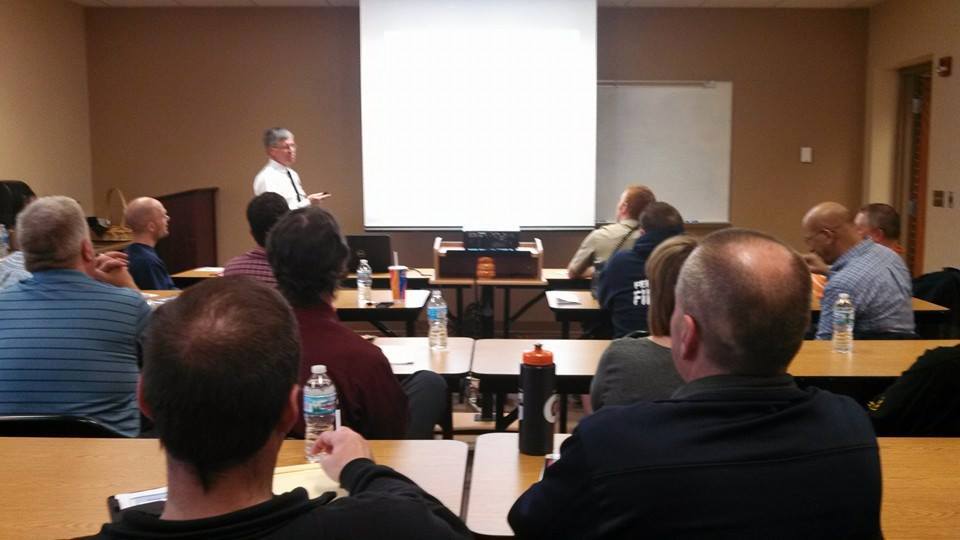
The first part of the program is about Autism. We then discuss common characteristics, effective communication methods, behavioral symptoms, sensory issues, and some practical skills on how to effectively interact and respond to an emergency involving a person with ASD. The training uses many video clips to show behaviors to help the first responders identify a person with ASD on scene. Many with ASD resist rescue as they are unfamiliar with rescue personnel or they will not leave the safety of there home even if it is on fire.
What has the reaction been from fellow firefighters in Fredericton?
We had great training sessions in Fredericton, New Brunswick. Many felt it was great information that they will use in responding to call involving a person with Autism. Some had already responded to this call and felt they really didn’t understand the reaction of the person with ASD or why they reacted differently to the situation. Many with ASD don’t understand emergency situations and do not respond to rescuers as they don’t feel that they are in trouble or they try to escape from having contact with rescuers.
Have you any success stories to tell us?
We collect many stories from the people that we have trained. Many wandering stories about how the person with ASD was returned safely. We have had two calls in the Boston area where first responders checked water sources right away and found the missing person with ASD in the water. Many medical calls when first responders understood sensory issues and how to control the sensory environment. Also, how first responders identified ASD with initial contact when arriving on scene. A fire officer in Alabama said he saw a young boy trying to flee an automobile accident on arrival of the rescue crew and could tell the boy had ASD by observing his behavior.
I read that you want to expand the training that you offer in Canada, do you have plans to expand overseas?
We would like to expand training wherever we can. The Autism and Law Enforcement Education Coalition is always seeking grants to make this happen. We work with The Arc in the US and with the Autism Society of America to connect with agencies outside of the US. My connection in Fredericton was made when members of the Fredericton Fire Department attend a training in Houlton Maine in 2012. We have not secured a grant to train in Canada yet. The Fredericton Fire Department assisted me with expenses to help make this training happen. ALEC has trained over 33,000 first responders in 38 US states to date.
 What advice would you give to parents with children on the spectrum regarding fire safety? (This is one of my biggest fears, my son not knowing what do in an emergency.)
Parents and care providers need to contact the fire service where they live. Disclosure coupled with training of first responders is key. Children and adults with ASD can learn fire safety. Established fire safety programs can be modified to meet the needs of a person with ASD. Exit drills need to be practiced. An example on how to get a person with ASD to escape would be to direct the individual to a preferred activity outside of the home. One of our instructors worked with his son on exit drills. When the smoke alarm activated, his son would leave the house to listen to his favorite music in the family car. Once the person with ASD is out, we need to make sure they stay out. We have heard of many that have escaped burning buildings but run back inside.
Is there anything more that you would like to share with our readers?
People with ASD need to meet all first responders so we can better understand each other. ALEC has developed a program call a Community Day where we connect first responders and people with ASD. It is easier for a first responder to assist this person if they know about them before they have contact. Disclosure is very important. If the emergency services can collect, store, and distribute information to first responders after receiving a call about an emergency, the first responders will be better prepared to handle the situation.
I would very much like to thank Mr Cannata for taking the time to answer my questions.
 About Mr Cannata
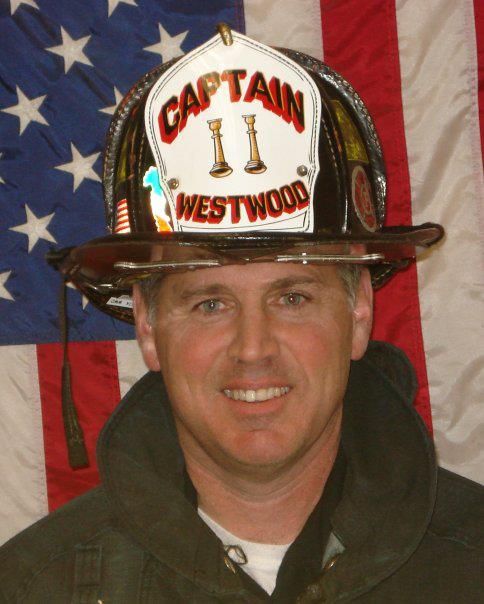
Bill has been a member of the fire service for 35 years. Bill has been an officer with the Westwood Fire Department for the past fifteen years. He also has been a Massachusetts Fire Academy instructor for 15 years. Bill became a member of Autism and Law Enforcement Education Coalition (ALEC) in November 2003. In January of 2006, he became the statewide coordinator of ALEC. ALEC currently educates first responders across the state of Massachusetts about Autism Spectrum Disorder and how to better understand a person who is on the spectrum. ALEC has trained over 23,000 first responders in Massachusetts and over 7,000 in thirty five additional states.
Bill is also the parent of a child with ASD.