

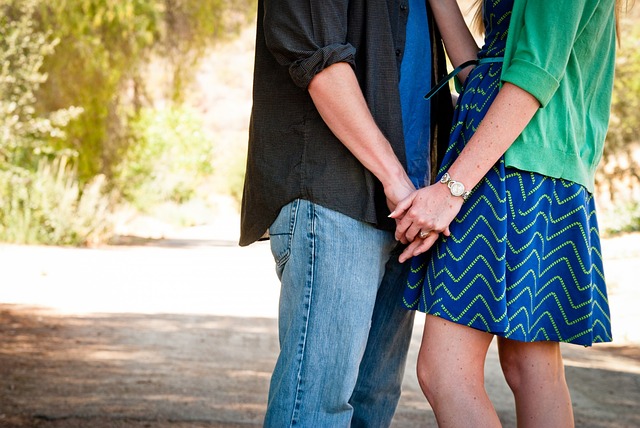
 • Keep it respectful – it is important to remain respectful when flirting with somebody. This means thinking about what is said, and how the other person might take it. It also means being able to understand that just because something is true doesn’t mean it should be said; the person looking to flirt might find the other person physically attractive, but this doesn’t mean they should constantly be commenting on this, or making overly personal comments. Flirting is fine, but keeping it light, and friendly might be better received.
• How far to take things – this can be extremely difficult, and a lot of people get this wrong – even when they are not autistic. The thing to remember is that both people need to be flirting for it to be acceptable. If the person who is being flirted with doesn’t appear to enjoy the attention, or shows absolutely no interest then it is best to stop bothering them. But sometimes, especially if non-verbal communication is a problem for the autistic person, just being upfront and asking can be the best option. Saying to somebody `Is this ok? ` Or “I hope you don’t mind,” might not be a `normal` part of flirting, but it gives the other person chance to say that they are not interested in flirting. Or that they find the attention unwelcome. And in the end it can be helpful for everybody involved.
Personal Space
• Respect the person`s personal space – personal space is important for everybody, and it is important to respect this. Even if two people are flirting and getting on well, this doesn’t mean that they should completely forget about personal space, unless both people are happy to get close.
• Remember how important personal space is for people with autism – the best way to learn to respect personal space is to remember how important it is for people with autism. This is not to say that this is the same for non-autistic people, but it is a good starting point for understanding why personal space is so important.
• Touch – make sure to not keep touching the other person. Physical contact doesn’t have to be completely avoided in every situation, but constantly touching is probably something that should be reserved for an intimate relationship. The touch might be unwelcomed, and it might only unsettle the person being flirted with. Touch can also change the tone of the flirting taking it from something that is light-hearted to something that may seem a bit creepier if it is unwelcome. This is not to say that physical contact has to be completely avoided, but it should be left until there is already a good flirtatious relationship established between both parties.
Struggling with the rules around flirting and touching, and recognising signals and cues is unfortunately something that is quite common, and definitely not restricted to the autism community. One thing that people should remember is that even if they have made mistakes when it comes to flirting, and trying to get dates in the past, it doesn’t mean this can’t change and they won’t have better luck in the future.
The tips listed above won’t be easy for autistic people to put in to practise, but they may be helpful.
The next article in this series will look at asking somebody out on a date, and give tips on how to react when being asked out. But in order to get to this stage, being able to recognise social cues, and getting past the stage of flirting, can be really helpful.