

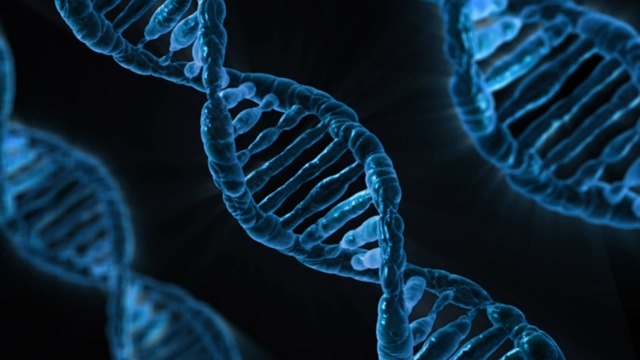
What the scientists call “vulnerable genes” are the genes believed to be most susceptible to de novo mutations — or mutations that occur during the on-start of a child’s development — which, consequently, can have profound effects on fetal brain development. These genes carry what the scientists call LGD or likely gene-disruption, in which mutations can spontaneously occur in any given generation. These mutations, however, are not found in either parent of the affected child.
The scientists’ study correlates with an earlier study published in 2007 by one of the authors— Michael Wigler, together with Albert Einstein School of Medicine statistician Kenny Ye— that predicts mothers are “carriers” of these destructive genes, even though effects of which don’t seem to physically manifest in them.
According to Wigler, who is one of the lead researchers in this particular research:
“Devastating de novo mutations in autism genes should be under strong negative selection. And that is among the findings of the paper we’re publishing today. Our analysis also revealed that a surprising proportion of rare devastating mutations transmitted by parents occurs in genes expressed in the embryonic brain.”
The research was published in the Proceedings of the National Academy of Sciences’ Early Edition, and was supported by the Simons Foundation Autism Research Initiative.
Source: Stephen Feller: UPI: Genetic analysis: rare mutations cause half of all autism cases