

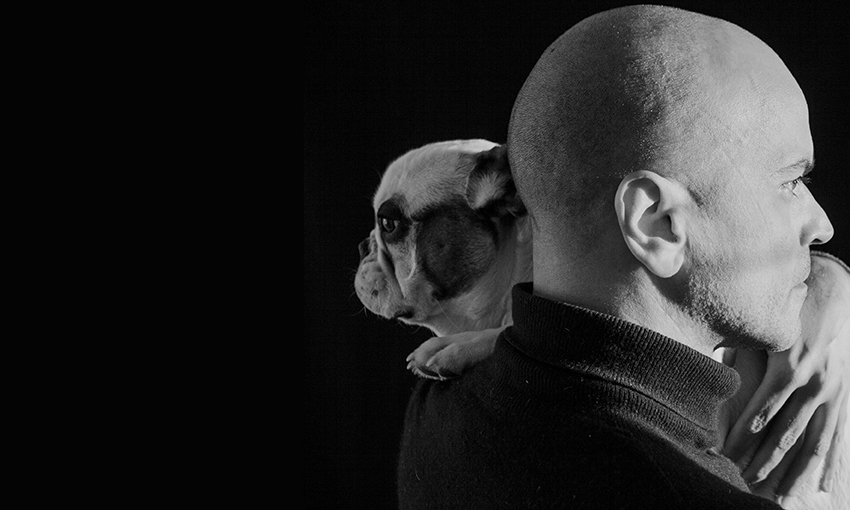
Gonzalo W. Bénard is an artist, curator and published writer, “The Sacred Book of G” is his fourth published book, his previous books have all been about his passion of photography. This book is a collection of ‘memoirs and philosophy through an autistic mind.’ Gonzalo is on the autistic spectrum.
The information on Gonzalo’s website The Sacred Book of G reads as follows:
Gonzalo W. Bénard has been living between Barcelona, Lisbon and Paris. Doing his live as artist photographer and writer, he has his works being lectured in several universities around the globe, with more than 40 exhibitions worldwide, with his artworks in great art collections, private and public, from Sir Elton John to Museum of Serralves, Porto, and often featured in the main magazines like Eyemazing or published in Thames & Hudson. Gonzalo W. Bénard is High Functioning Autistic and has been tutor and teacher, storyteller and art curator. He was raised in a deep historical and cultural environment with his multiple European roots. He soon developed his taste and skills in writing, painting, photography, drawing and cooking. Natural healer and spiritual medium he’s a shaman who studied with masters in Africa and in the high mountains of Tibet for several years. Gonzalo Bénard went through brain death few years ago and came back to life 3 days afterwards with a loss of memory that he rebuilt, fixing the whole puzzle of his past. The Sacred Book of G of which he’s the author helped him on his own journey of life. To be alive.
We wanted to learn more about Gonzalo’s new book and why he decided to publish his memoirs. We therefore got in touch with him and he agreed to be interviewed. Below is our condensed version of the original article that can be read in the June edition of Autistic Spectrum Digest.
You have traveled widely and lived in many countries. Can you tell me a little about your love of traveling? Is this linked to needing to challenge yourself? For example you write, “I would have to live a life challenging myself.”
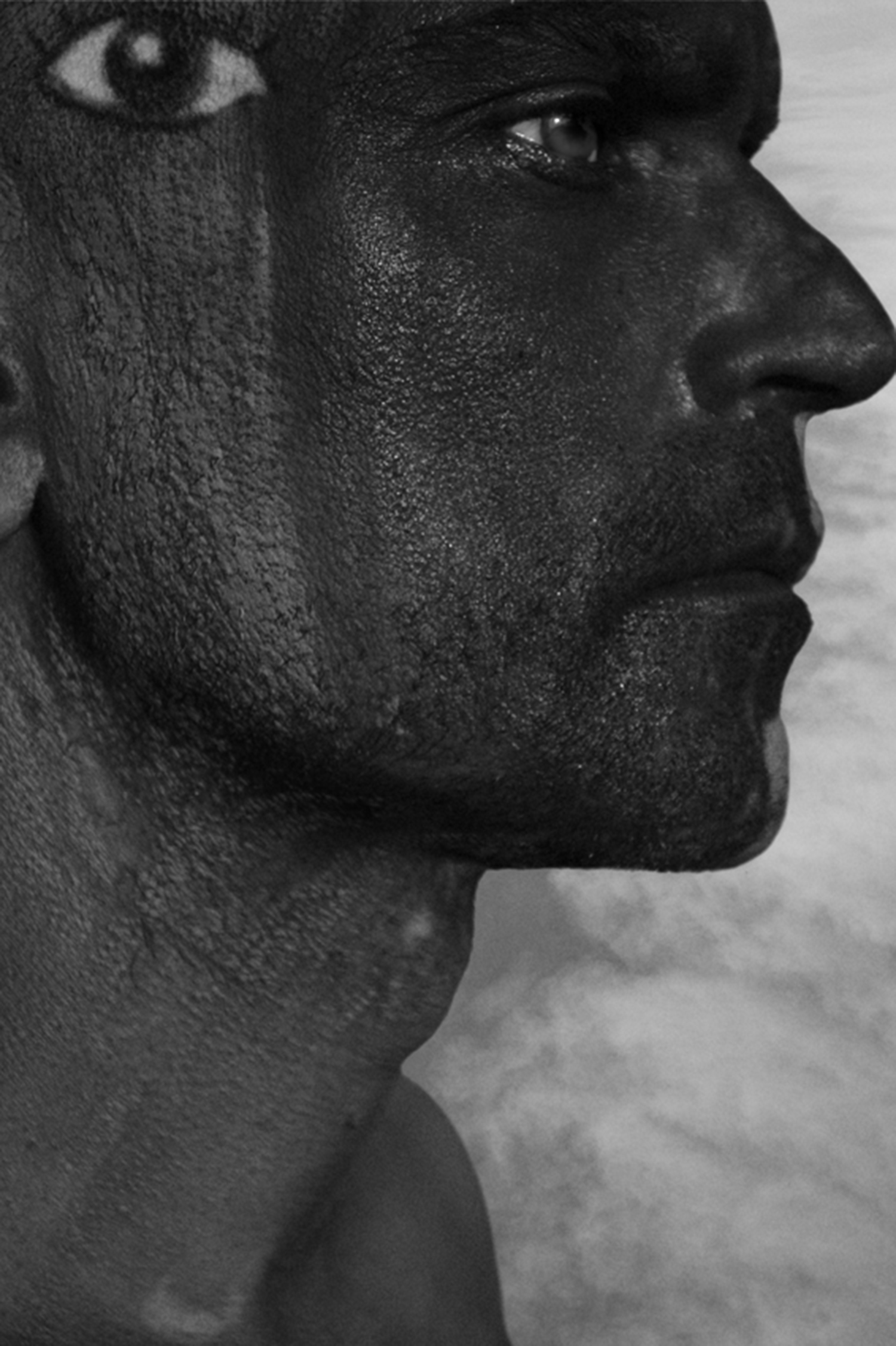
GB – Interesting that you ask that, as I did this question to myself few days ago. Now that I have some emotional distance I understood that this need came from the time when I was a young teenager: a need to fit. Once I never felt fitting in the society in which I was born and raised (very conservative catholic society/family/school), I always wondered how it would be living in other cultures. Traveling ignited – not an escape feeling – but a cultural curiosity to know more and deeper other cultures and philosophies, and the more we know them the more we respect others’ differentness as well. I also understood that when you don’t feel that you fit in, you travel to other cultures where everybody is stranger, so you feel that you fit in there better once you’re also a stranger.
When you travel alone even better, because you’re not carrying your own culture with you and you’re more open and eager to listen, to learn, to grow up emotionally, intellectually, etc. It is a challenge no doubt, as we need that safe place, but then, I learned how to carry the safe place within myself. In fact I feel that I’ve been a nomad for a long time. Without any safe place but the one I built within me. The home concept is in my own mind now. Otherwise I would have limited myself to the comfort of the safe/same place, and I didn’t want that. I wanted to free myself of the comfort zone.
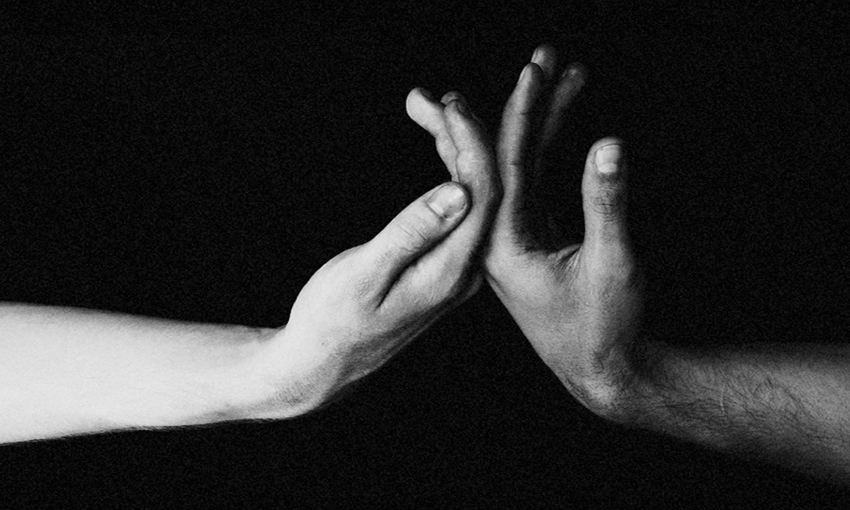
GB – I do photography as I did sculpture, painting or drawing: as a means of expression, or as a need of creating. Even though I always created visually, and did more than 40 exhibitions worldwide, I always had the need of writing, more privately though, as if in my own parallel word. In photography I often use myself to represent the concepts, but they are mostly about the relation of human/nature, life/death, cultural rituals, sociology treats, etc. My photographs of nature though are less known. But it is mostly human related, essentially more towards psychology and sociology. Like the series I’ve been working on with the young loners through a webcam, as I never understood loneliness. In this series “B Shot by a Stranger” I had lots of volunteers who were lonely and participated as part of this art/sociology project. I feel that I can do a master in loneliness now, not having experimenting it though.
Last year I received an email from one of the volunteers saying thank you again for the experience and telling me that he had decided to commit suicide on the day we did the photographic session, but the experience of the shooting was so intense, that it made him want to live fully with new aims. Only this was worth the whole project.
Maybe because being autistic, I don’t have that need of connection with others, so I don’t need their physical presence (also, once I’m always creating I have more connection with myself). Sometimes when I’m in the desert or in the country house alone, I forget that people exist. And being visual, I often think of people as floating brains. So what I do in photography is to represent that part, more into sociology, philosophy and culturally, even if representing it using my own body, connected with elements of nature, as a Totem, or as a Shaman. In fact I used some of these photographs to illustrate the book.
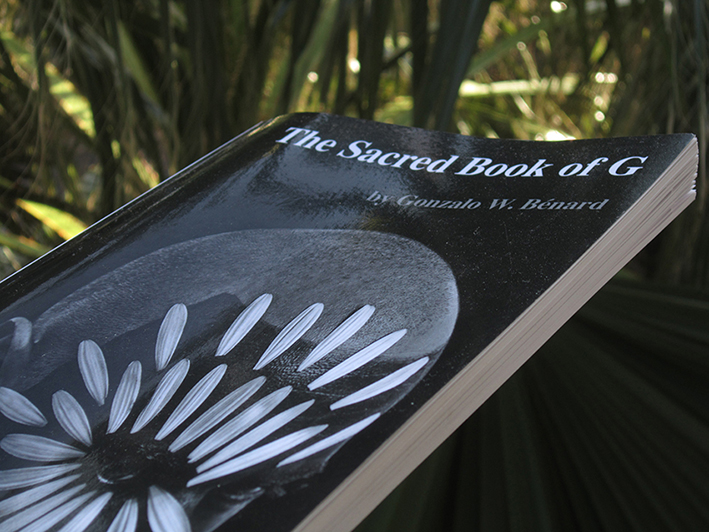
Your book cover art is stunning. Did you take the photograph?
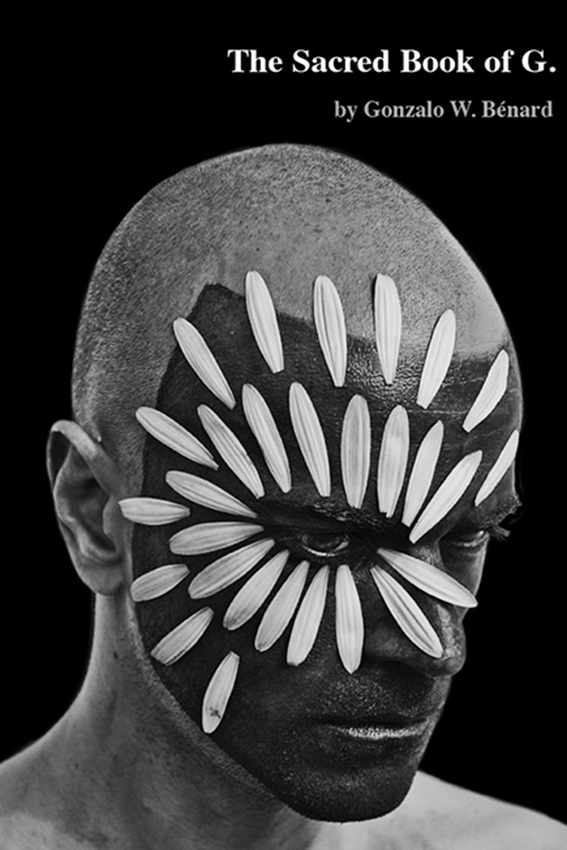
GB – Thank you. Yes, in fact it is one of my self-portraits from the Oneness series, which I did after the brain death in my sabbatical year: coming back to nature. I always had this need to be surrounded or to be in the nature, as I always had an incredible connection with fauna and flora, deeper than the one I have with humans. In this series I also play with rituals of life and death, as I needed to express that. The main photograph of that series is the first one I did after the brain death: a self-portrait with a bull’s horn in front. I was very weak physically, so I remember the engravings from the Paleolithic, very shamanic in which they bring the skills of the animals to give them more power and stimuli. This series is all about that, bringing the wisdom of nature back to myself, so I could heal myself and be well again. I found though that this photo of the cover shows well the human fragility: being brain, being body and being flower.
May I ask at what age you received your diagnosis? What was your childhood like growing up?
GB – I was first diagnosed when I was 13 years old. I studied in a private catholic school, and was spending all my breaks in the library, never played football with any colleagues, so I was often (lightly) bullied by all, including family and teachers. But at the same time, I was intelligent and creative. I was also awkwardly shy, so I always enjoyed spending the whole time alone, in my own corner, reading, writing or drawing, away from the lights and noises and smells. This is a nightmare when they often impose you to participate in team work/play. So I often spent the time hidden, building my own inner world. The library was the perfect place, behind the last shelves: philosophy/psychology/sociology.
I like how you talk about the world not needing labels. How do you see t

GB – It was indeed helpful, even though at the time it was a shock for me because we didn’t have that much access to information like we have now. There was no internet yet, as there was not much concept of Asperger’s. At the time, if you heard of autistic people you often thought of less intelligent people, but my IQ tests proved the opposite, so it was confusing: I was autistic but intelligent. This then changed a lot of my perception of labels and preconceived ideas that one can have. Also the tests showed that I was deeply sensitive or hyperconscious to noise, smell, light and colors etc., and not very receptive to sarcasm either. …
To read more of this interview and view more stunning photographs – purchase your copy in your favourite format in the June edition of Autistic Spectrum Digest.
You can find Gonzalo’s blog about his book over at The Sacred Book of G https://thesacredbookofg.wordpress.com/
Gonzalo’s website can be found at G W Benard