


RICHMOND, VA – We recently reported on the case of Reginald “Neli” Latson, 23 who had allegedly assaulted a correctional officer. Governor of Virginia asked to intervene in case involving inmate with autism.
Advocates for both mental health and civil liberties have asked the Governor of Virginia, Terry McAuliffe to intervene in the case. Mr Latson is on the autistic spectrum.
He has been arrested twice in the past, both for assaulting police officers. His supporters claim that this is due to his Autism Spectrum Condition and the ‘fight or flight‘ reaction.
Latson’s troubles with the police began in 2010. He was approached by a police officer,responding to a report of a suspicious person situated outside Stafford County library. Mr Latson, is a young black man and at the time was wearing a hoodie, and he refused to identify himself. The officer grabbed and led him into custody which resulted in Mr Latson hitting him.
Julie M. Carpenter, Mr Latson’s attorney, wrote in her first letter to McAuliffe:
“This is the sort of situation that an autistic young man simply cannot comprehend — he had done nothing wrong and yet the officer was restraining him — and the actions of the officer seemed threatening to Neli because he does not understand social roles the way others do,”
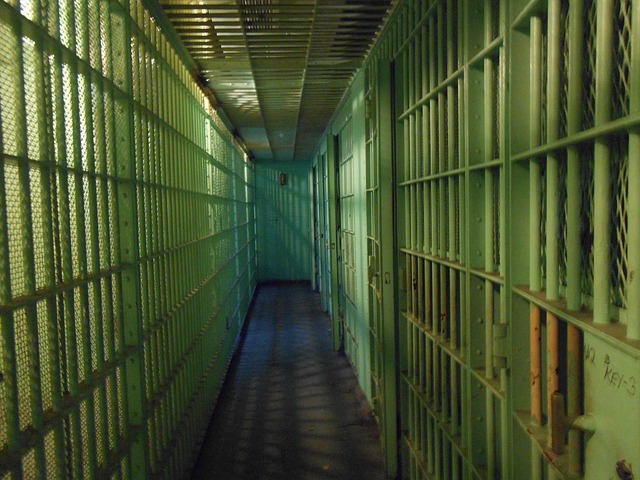
Due to this incident, Mr Latson once again found himself in jail where he was transferred to a sparsely equipped “crisis cell”, it was during this time that he allegedly punched a guard.
Mr Latson’s supporters are all unanimous in the fact that because Mr Latson has spent much of his life behind bars or in solitary confinement, that this has considerably worsened his condition.
The Arc of the United States, a mental health advocacy group have asked for the Governor of Virginia to intervene. CEO Peter V. Berns wrote to Latson’s attorney:
“Mr. Latson is caught in a recurring cycle of prosecution and punishment due to factors related to his disabilities. He is not a criminal,”
The American Civil Liberties Union of Virginia executive director Claire Guthrie Gastanaga, wrote in a letter to McAuliffe, stating:
“He is in prison because law enforcement, prosecutors, and correctional officers failed to understand or accommodate his disabilities, a problem that more and more people with autism and other developmental disabilities are experiencing when they interact with the criminal justice system,”
Data collected by the National Alliance on Mental Illness, has found that 90 percent of inmates who are in Virginia receive mental health screenings. Less than half of those who who test positive for a mental illness receive follow up care.
A jail diversion program, within the state has been launched in nine localities, however, the Think Progress website states that, ‘Virginia Department of Corrections’ mentally ill population still eclipses that of the state hospitals by 300 percent.’
Editor’s Note:
The bigger picture here though comes down to autism awareness and the fact that police offers and those working within the judicial system at grass roots level, need basic autism awareness training. They need to know what Autism Spectrum Disorder is, how this affects the individual and how it can affect them in a confined and stressful situation. Without this basic training, nothing will change and more individuals, like Mr Latson, will be misunderstood and treated unfairly and inhumanely.
We applaud, Portland Police in Oregon for adopting a new policy on encounters with mentally ill suspects which states,
“Non-engagement or disengagement are tactics that can be used if the member determines that contact or continued contact with the person will result in an undue safety risk to the person, the public and/or members.”
We hope that other law enforcement agencies will also consider this “no cost” immediate gain policy and beleive it should be extended to all individuals who may be acting “out of the ordinary.”
Sources: Larry O’dell on theNewser website: Mental health, civil rights advocates ask Va. governor to intervene in autistic inmate’s case